How Your Freezer Can Help You Eat More Fiber
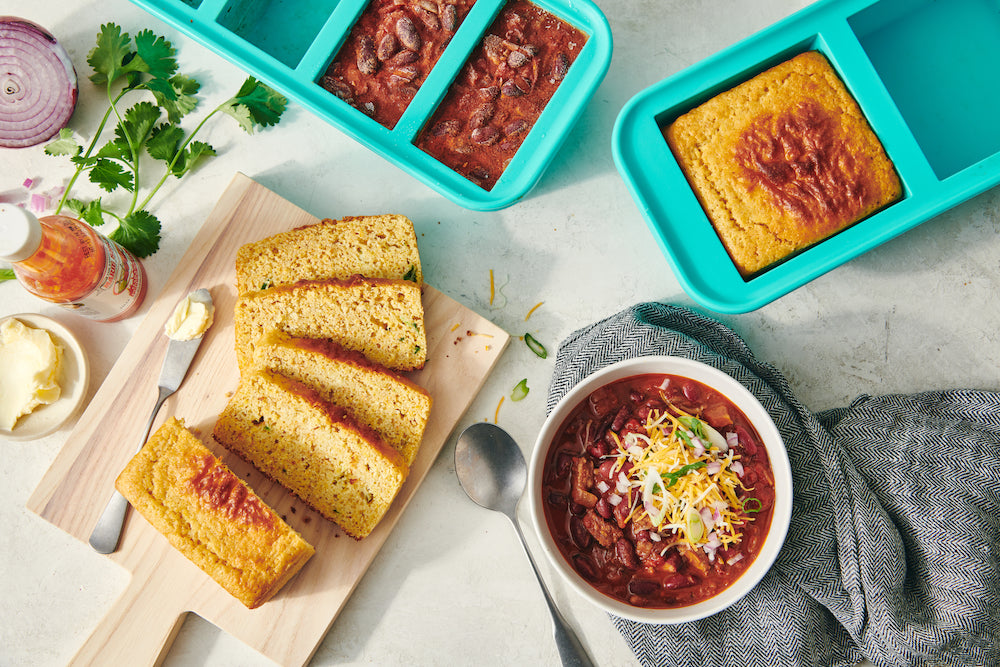
Table of Contents
If there is one nutrient we all need more of, it's fiber.
As a dietitian, I often talk just as much about what goes into to the body as what goes out. Most people know that fiber helps them go #2, but did you also know that eating more fiber is one of the easiest ways to help you shed a few pounds? Research shows that dietary fiber can also help you stave off diabetes, maintain a healthy weight, and reduce your chance of several health conditions, such as heart disease and some forms of cancer.
But how much do we need and how much do we get? Unfortunately on average, American's only eat 16.2g of fiber per day but the recommendations are much higher. Since 2005, the Dietary Guidelines for Americans has identified fiber as a "nutrient of concern" because only 5% of the population consumes the recommended amount per day.
What is Fiber
Dietary fiber is the part of plant-based foods that your body cannot absorb or digest. Also known as roughage or bulk, fiber passes entirely through your digestive system, which is why it's known to help with constipation and keeping you regular.
Insoluble vs Soluble Fiber
There are 2 types of fiber: insoluble and soluble. Each type is important for maintaining healthy digestion but it's not distinguished by type on a nutrition label. It's important that you get both types of fiber when you are trying to ease constipation as one softens and one bulks.
Soluble fiber, which includes plant pectin and gums, dissolves in water and turns to a gel-like material during digestion. This is the type of fiber that helps you feel full and helps to soften your bowel movements.
Foods with Soluble Fiber
Oats
Apples
Pears
Figs
Nectarines
Apricots
Beans, especially Black Beans, Lima Beans, and Kidney Beans
Brussels Sprouts
Sweet Potatoes
Broccoli
Avocados
Turnips
Barley
Hazelnuts
Flax Seeds
Sunflower
Insoluble fiber is made of plant cellulose and hemicellulose which does not dissolve in water and in turn, is "bulking." This means food with insoluble fiber barely break down in your digestion so it "grabs" onto other material in your digestive system and helps pull it along.
Foods with Insoluble Fiber
Wheat Bran
Whole-Wheat Flour
Amaranth
Green Peas
Cooked Prunes
Dark, Leafy Greens, such as Spinach, Kale, and Collards
Nuts, especially Almonds and Pine Nuts
Beans, especially Soybeans and Pinto Beans
Cauliflower
Green Beans
Potatoes
Blackberries
Unpeeled Apples
Health Benefits of Fiber
There are many benefits of eating foods with fiber but some of the most documented include:
Improving gut health
Reducing constipation
Helping with weight maintenance
Reducing risk for diabetes by helping with insulin sensitivity
Improving blood glucose (sugar) levels
Reducing blood cholesterol levels
Reducing risk of colon and breast cancer
How Your Freezer Can Help You Get More Fiber
After a long day of work, often the last thing you want to do is make dinner. When you're trying to eat healthy and not reach for the takeout menu, having homemade frozen food is like giving your future self a gift. Prepping soups, stews, casseroles, whole grains, and healthier sweet treats is not only smart, it's also the easiest way to make sure you always have nutritious foods on hand.
Instead of freezing your food in large portions, freeze them in smaller, individual portions with Souper Cubes. Souper Cubes allow you to freeze your meals in ½-cup, 1 cup, and 2 cup portions so you only defrost what you want, when you want it.
If you're new to freezer meal prep, check out this Ultimate Guide to Freezer Meal Prep. It has everything you need to know from what you can freeze, how to freeze, and how to defrost your food.
Freezer-Friendly Recipes with Fiber
The best way to increase your fiber isn't with a supplement, it's by eating foods that are naturally high in fiber. To help, we've compiled a list of our favorite fiber-rich recipes that you can make in batches and freeze. By having a freezer full of delicious food that also happens to be high in fiber, you'll make sure you're hitting your fiber recommendation everyday.