How to Freeze Soup & Reheat It For The Perfect Weeknight Meal
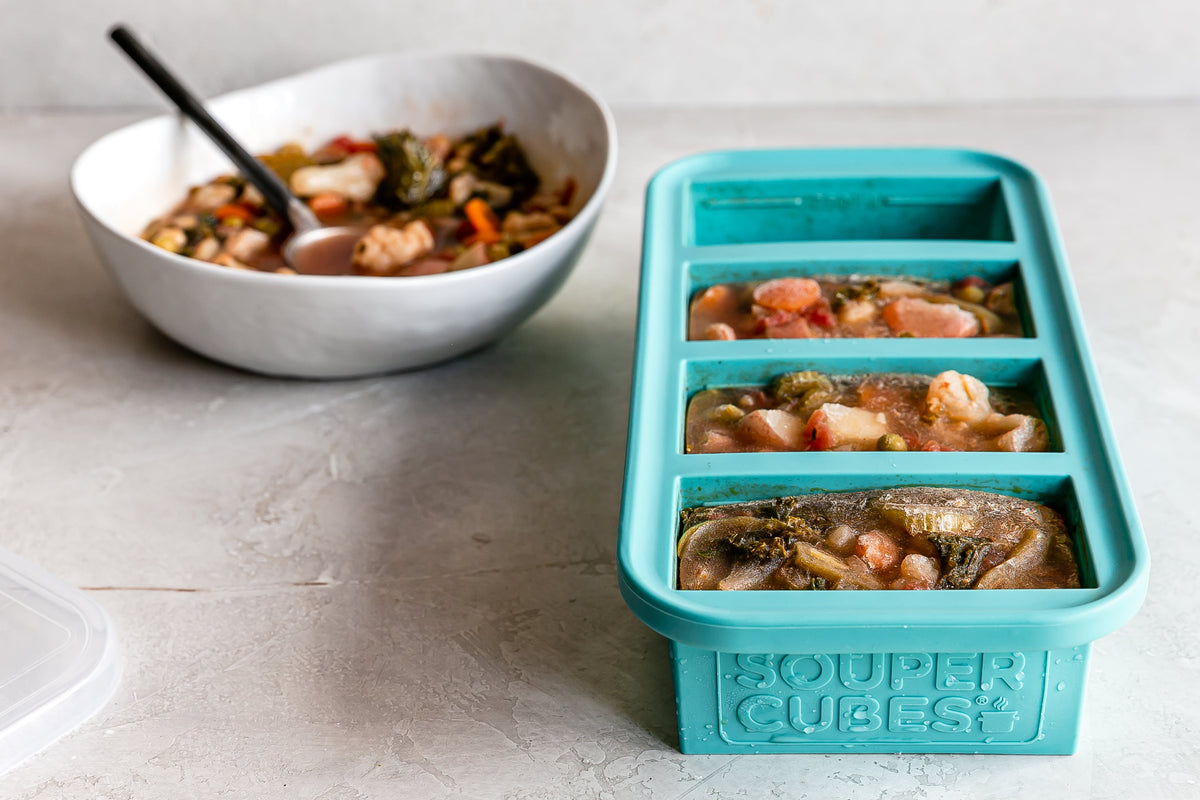
Table of Contents
Have you ever come home from a long day at work ready to warm up a nice bowl of soup from your freezer? Except instead of a tasty and satisfying meal, your soup is freezer burnt, clumpy, or tastes a bit… off. Or, maybe you’ve frozen it in a large container and now need to eat that soup for several days?
Freezing soup isn’t always as straightforward as you think it should be. Sometimes, the method used can produce soup that just doesn’t taste right. We are here to help!
In this blog, we will dive into how to freeze and reheat soup properly so you can have the perfect weeknight meal next week, next month, or even a couple of months from now. We have also included some frequently asked questions, so make sure you read this article until the end to get all of your questions answered. Ready to jump in? Let's get into it.
Tips to Help You Successfully Freeze & Thaw Your Soup
There are many tips and tricks that come along with perfecting your freezing and thawing process. If you've just made a big batch of soup, follow these tips so you can freeze and thaw your soup successfully.
Some Soups Freeze Better Than Others
When you’re freezer meal prepping soup, it’s important to know which soups freeze the best. For example, tomato soup is one of the best soups to freeze, as it typically tastes the same reheated as it does fresh. Unfortunately, certain soups don’t freeze the same way. Here are a few types of soup that can clump, become runny, or lose their flavor after thawing:
Cream-based soups
Soups with pasta noodles
Keep in mind that creamy soup with milk, coconut milk or heavy cream might separate while frozen, making it hard to reintegrate. With that being said, you can still freeze these soups; they may just lack the same flavor or texture. Always reference the recipe and if it specifically states it’s been tested for freezer meal prep. For instance, our creamy potato leek soup reheats really well even after it’s been frozen!
There are also ways that you can make your favorite soups more freezer-friendly. For example, for soups with pasta noodles, you might want to freeze the soup without the noodles, then add fresh noodles to the soup when you thaw it. This way the noodles won’t get overcooked or soggy. You may also prefer to add slightly undercooked noodles to your soup before freezing it so they will finish cooking when you reheat the soup. It’s all about experimenting and finding what works best for you!
The Freezer-Safe Container You Use Matters
One common mistake people make when freezing their soup is choosing the wrong soup container. Storage containers such as glass containers or plastic containers are susceptible to cracking or shattering under the freezing temperatures of your freezer. The best freezer-safe containers for soup are made of a flexible material, so it can contract and expand as it warms and cools, and is airtight, like Souper Cubes®. These containers are durable silicone freezer food trays purpose-built for freezing food in perfect portions.
Another common mistake is that people will freeze their soup in a large container, forcing them to reheat more than they want to eat for their next meal. This means they’ll either have to eat the soup multiple meals in a row or throw it away. Luckily, Souper Cubes® are available in various portion sizes, from 2 tbsp to 2-cup trays, so you can freeze and reheat the exact portions you want to eat.
Cool Soup Quickly Before Freezing It
This may be something you already do, but if not, it's time to start! It’s important that you cool your soup as quickly as possible after it’s been cooked. Putting a hot container of soup directly in the freezer can raise the temperature of your freezer, causing surrounding food to thaw. At the same time, leaving your food out on the counter for too long can lead to the development of food-borne bacteria.
Here are a few methods to help you cool your soup quickly:
Divide your soup into smaller containers: Soup will take a lot longer to cool in a large stockpot than it will in several smaller containers.